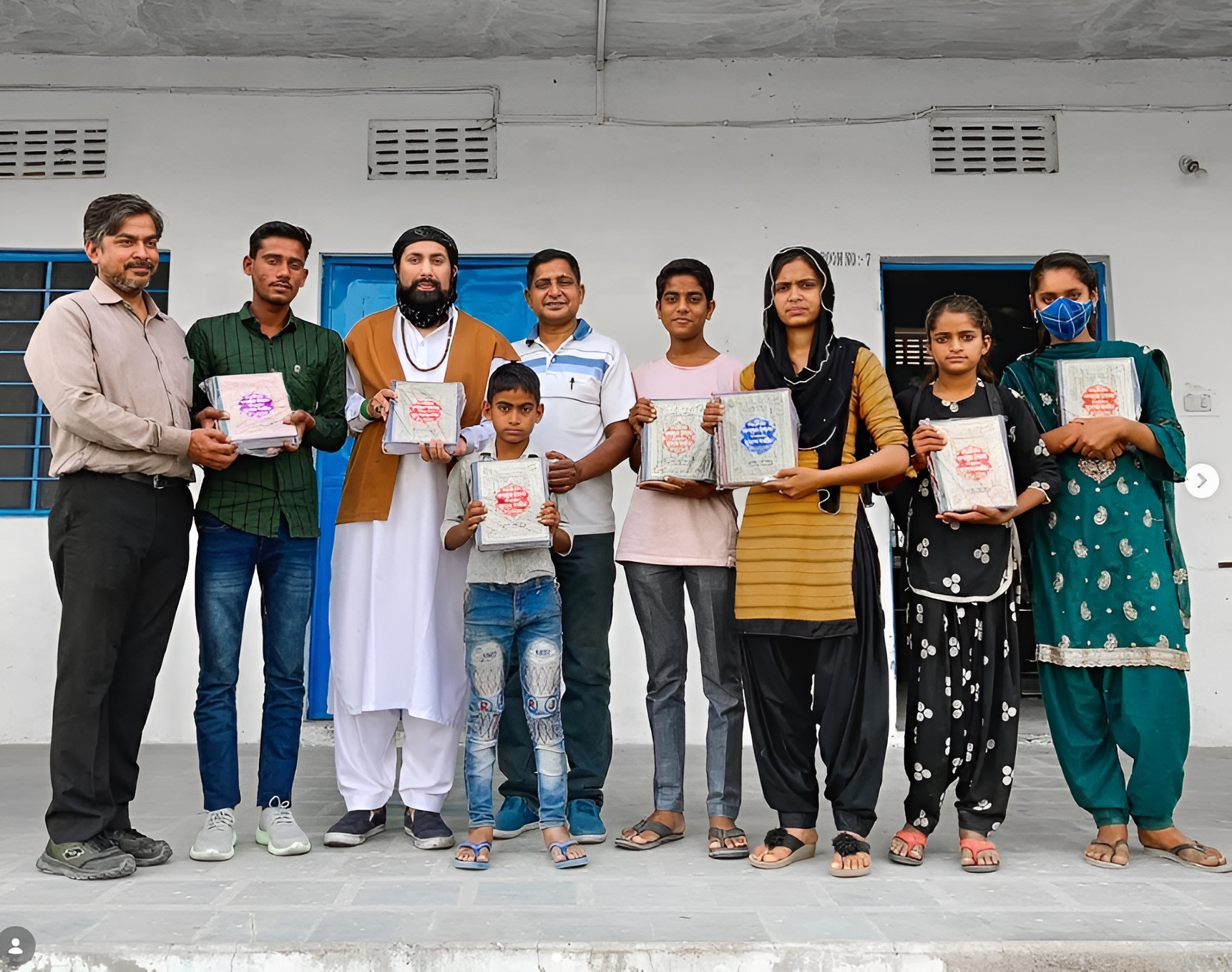
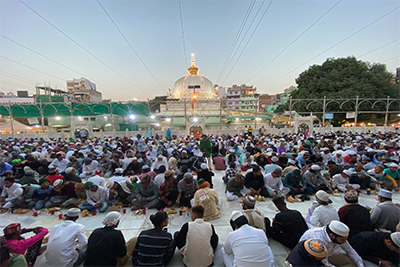
Charity holds a central place in Islamic teachings and is considered one of the most important ways to strengthen compassion, social responsibility, and unity within society. In Islam, helping those who are less fortunate is not only encouraged but also regarded as a moral and spiritual duty. Acts of charity remind believers that wealth and resources are blessings that should be shared with others to create a more balanced and caring community. Two important forms of charity in Islam are Zakat and Sadaqah. Zakat is one of the five pillars of Islam and represents a structured form of giving to those in need, ensuring that wealth circulates within society and supports vulnerable communities. Sadaqah, on the other hand, refers to voluntary acts of generosity and kindness that can be performed at any time. These acts can include helping the poor, supporting community welfare projects, providing food, or contributing to educational and humanitarian initiatives. Throughout history, Islamic charitable traditions have played a significant role in supporting social welfare and community development. Spiritual centers such as Ajmer Sharif Dargah have long been known for promoting generosity and service to humanity, inspired by the teachings of the great Sufi saint Khwaja Moinuddin Chishti. His message emphasized love for humanity, kindness to the poor, and the importance of serving others without discrimination. Charitable activities such as food distribution, community kitchens, and humanitarian aid programs help ensure that people facing hardship receive support and dignity. These initiatives also strengthen the values of empathy and solidarity within society. When individuals come together to help others, they contribute to building stronger communities based on mutual care and understanding. In today’s world, the spirit of charity continues to inspire individuals and organizations to work toward social upliftment and humanitarian service. By supporting charitable causes and practicing generosity in everyday life, people can uphold the timeless values of compassion, kindness, and shared responsibility that lie at the heart of Islamic teachings.